
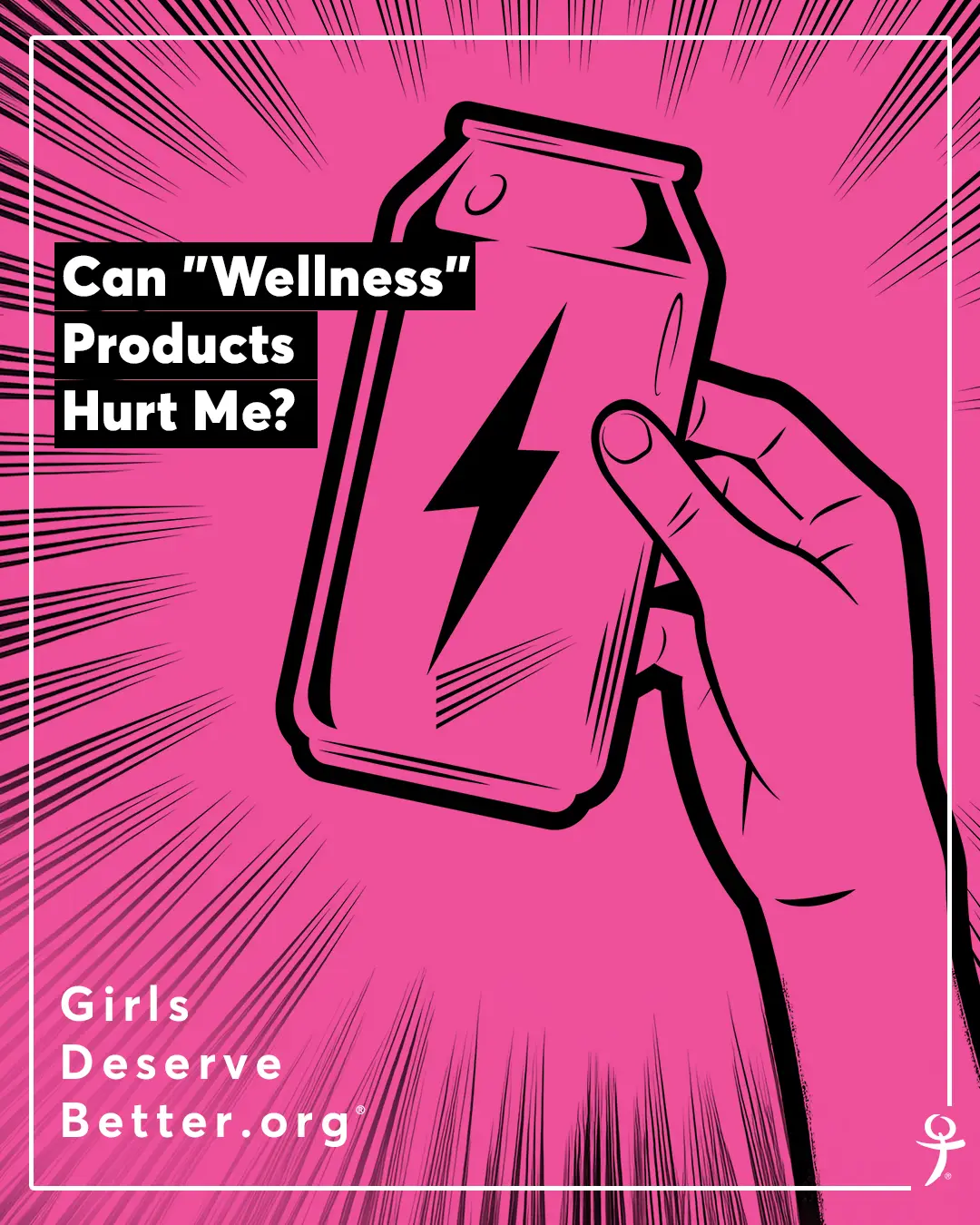
How do you know when legal substances that promise wellness, fun, relaxation, or energy are good for you?
Or, when feeling anxious, stressed, or depressed, how do you know what will help?
Commercials and ads can make any product look and sound amazing but like anything in life, looks can be deceiving.
Here are few things to keep in mind:
- Many products in the wellness industry are not regulated: That means no one is overseeing what ingredients go into them and there are no standards to go by for all companies that make products such as energy drinks, pills, or candies.
- New products can contain kava: Kava is a sedative, and can make you less aware/alert making you at risk of accidents, vulnerable to others, and less focused on your goals. It can also interact with other medications and it has been known to cause skin rashes and liver damage, especially in higher doses or repeated use. Mixing kava with other substances can lead to even worse side effects.
- The danger of the Kratom/Kava mix in supplements like “Feel Free”: Kratom is from a different plant that can activate the same part of your brain that opioids do. Since kava makes you feel relaxed and kratom can do the opposite, and when mixed, this can be a never-ending cycle that traps you! Your body is constantly going from relaxed to stimulated and the opioid receptors in your brain are being activated, possibly leading to physical dependency.
- Kratom can cause dependency in those who use it regularly. If you stop using it, you may experience symptoms similar to those associated with stopping opioid use. The side effects may include nausea, sweating, constipation, irritability, tremors, liver toxicity, and seizures.
- Addiction and abuse are a possibility: Addictions cost you money, time, friendships, and loss of focus. Products that include substances that alter your mind and body always come with a risk of physical or mental dependency.
- Too much caffeine consumption can lead to dehydration, high blood pressure, heightened heart rate, anxiety, and insomnia. If you’re between the ages of 12 and 18, you should avoid consuming any more than 100 milligrams of caffeine per day.
- If you have underlying health issues, particularly cardiac issues, then you’re at increased risk of suffering a heart attack or stroke if you consume energy drinks.
- Edible marijuana products are misleading:
While THC (the compound in marijuana that produces the high) is legal for adults over 21, it can pose a risk to teens and kids. Edible THC products can look like candy, cookies, or treats. However, they take longer than smoked marijuana to have an effect. Someone experimenting with THC edibles might not feel the effects as quickly as expected. They might ingest large amounts to try to “get high.” This leads to overdosing. And the younger you are, the less it takes to cause serious physical reactions.
- Packages can be misleading: Although contents may be described as ‘herbal’, the actual psychoactive material could be synthetic (lab-made) and chemical make-up can vary batch to batch. The listed ingredients might not be accurate or in full, especially since regulation is weak on these products.
- Companies that sell products care about profit, not you: Remember, products will always promise everything good and rarely tell you about the bad. Question their claims, talk to a trusted adult, and consider free non-substance alternatives.
Instead of turning to a substance to relax or cope, consider safe alternatives:
- Explore new hobbies
- Hang out with friends
- Journal
- Get outside or do movement you enjoy
- Listen to music
- Write
Life is not always easy, but finding what brings you true joy and not short-lived feelings can be the best tool.